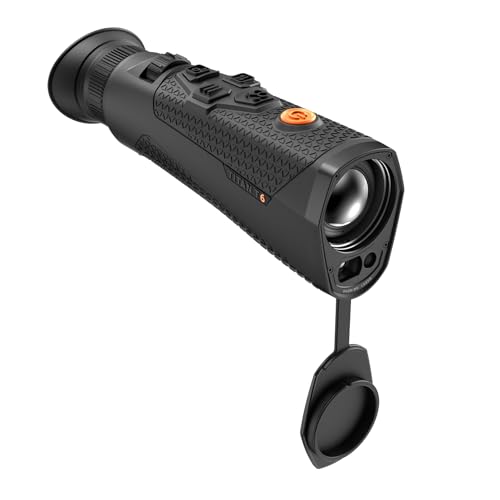
Observation with integrated ranging
The T6 starts at 2.2× and adds features that casual close-range observation may not need. Its 1920×1080 display does not turn the underlying detector into a full-HD thermal sensor.
The buying decision
The Titan T6 deserves a place on a shortlist when the viewing question includes distance. A warm shape at the far edge of a property tells you activity is present; a rangefinder can add a separate measurement. Decide whether that second answer changes what you do. If it does, an integrated unit is easier to justify than choosing on sensor resolution alone.
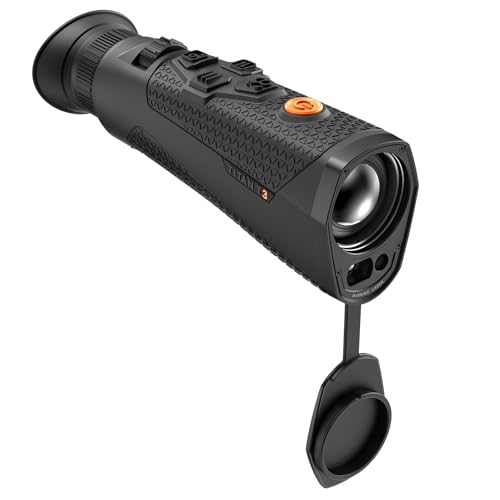
RIX specifies a 640×480 detector and 35mm objective for this model, with 2.2× base magnification. The T3 below it has a different detector and lens, so comparing the two is more than choosing a screen size. Both use the same advertised display resolution. Our preference for the T6 in a detail-oriented comparison comes from its native imaging specification, not from a claim that we have measured better field images.
The control arrangement is another reason to examine this model closely: RIX places the focus wheel near the eyepiece. Before buying, picture how you hold a scanner and which fingers remain free. A feature can look excellent on paper yet be awkward with your grip or gloves. Seek a clear control demonstration and a sample clip that names the exact model, recording settings and subject distance.
Compare the T6 with the T3 if the rangefinder is essential, and with the Stride ST6 Lite if carrying or mounting the device matters more. Those alternatives ask different questions of the budget. Choose the T6 when its combination of handheld controls, native detector and ranging addresses your actual observation routine.
Documented specifications
| Specification | Published detail |
|---|---|
| Native thermal sensor | 640×480 |
| Objective | 35mm F0.9 |
| Base magnification | 2.2× |
| Display | 1920×1080 OLED |
| Laser measurement claim | Up to 1,312 yd; not identification distance |
Published specifications are manufacturer or exact-listing claims, not our measurements. “Not confirmed” fields are left out of numeric recommendations.
Useful alternatives

Make sense of the differences
Buying guideThermal Monoculars with Rangefinders: What the LRF Adds
Understand integrated laser rangefinding, compare documented DNT Hound features and inspect exact Pulsar, AGM and RIX LRF candidates.
Learn384 vs 640 Thermal Sensors: What the Extra Pixels Buy
Understand native thermal resolution, field of view, cropping, and why a 640 sensor is not an automatic long-range identification guarantee.
Sources & specifications
Source details checked September 10, 2026. Published claims are not independent test measurements.