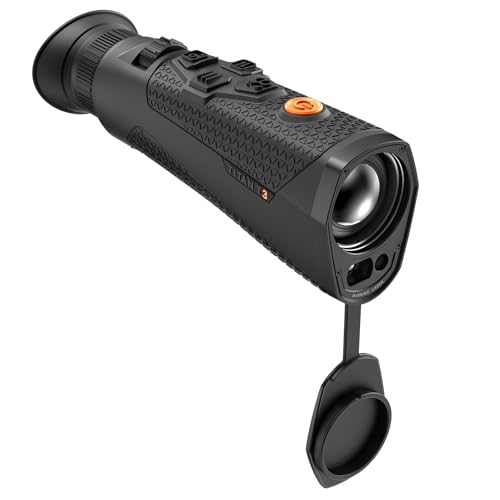
Rangefinder-focused 384-class buying
The shared OLED specification can disguise the detector difference from the T6. The T3 also begins at 2.6×, so it should be assessed for the scene you want to inspect, not screen resolution alone.
The buying decision
The Titan T3 is a useful alternative when a laser distance measurement matters more than selecting the highest sensor class in the family. It concentrates the purchasing question: would you rather put the available budget toward a larger native detector, or toward the viewing-and-ranging combination? Neither answer is universal. Write down when you would actually use a measurement before making the feature a requirement.
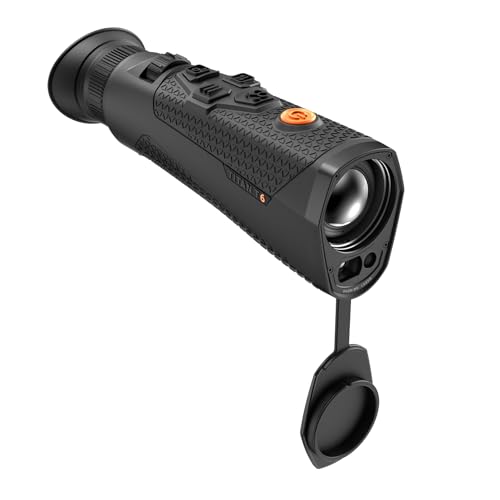
A subtle point in this comparison is magnification. RIX lists the T3 at 2.6× base and the T6 at 2.2×, even though the T3 has the smaller objective. Lens diameter by itself therefore cannot tell you how the view starts. The two also share a high-resolution display specification while capturing different amounts of native thermal information. Do not rank their imaging capability by the screen numbers.
The near-eyepiece focus wheel is worth watching in a demonstration. Imagine holding the device while making a small focus adjustment and then taking a range reading. That sequence reveals more about your likely comfort than a long feature list does. We cannot turn the manufacturer's control placement into a claim of effortless handling, but it gives you a concrete point to evaluate with your own grip.
Choose between the T3 and T6 using footage that identifies which model produced it. If the T3 gives adequate detail for the kind of observation you expect, its feature combination may be the more appropriate purchase. If subtle distant shapes drive the requirement, investigate the T6 and comparable 640-class units before checking the final offer.
Documented specifications
| Specification | Published detail |
|---|---|
| Detector | 384×288 |
| Lens | 25mm F0.9 |
| Base magnification | 2.6× |
| Display | 1920×1080 OLED |
Published specifications are manufacturer or exact-listing claims, not our measurements. “Not confirmed” fields are left out of numeric recommendations.
Useful alternatives

Make sense of the differences
Buying guideThermal Monoculars with Rangefinders: What the LRF Adds
Understand integrated laser rangefinding, compare documented DNT Hound features and inspect exact Pulsar, AGM and RIX LRF candidates.
Practical guideThermal Monoculars Under $2,000: What Is Worth Paying More For?
Compare four thermal monoculars above the entry budget: Pulsar XQ30 Pro, AGM ReachIR 35-640, RIX Titan T3, and ATN BlazeTrek 6 619.
Sources & specifications
Source details checked September 10, 2026. Published claims are not independent test measurements.