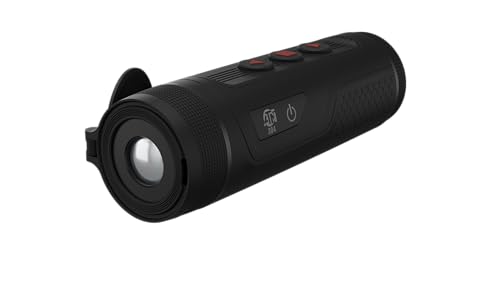
An upgrade from 256-class handhelds
The built-in battery favors recharging over swapping cells. Its ranging menu estimates distance from subject size, and conflicting legacy FAQ text on ATN pages must not be substituted for current-generation specifications.
The buying decision
The BlazeTrek 6 319 sits at a practical decision point for a first upgrade: would more native sensor information address the limitation you noticed with an entry-level thermal? The answer depends on what was missing. If you needed finer subject detail, detector class belongs in the comparison. If you struggled to cover a wide area or disliked the controls, resolution alone may not solve the problem.
The sixth-generation selector pairs this model with a 384×288 detector and 2.25–18× listed magnification. The 619 above it changes both the sensor and starting view, so it is not simply the same picture at a higher price. Compare the two using the initial image as well as enlarged footage. We have left the horizontal FOV unknown until an exact trustworthy model table establishes it.
Recording is supported, and ATN's manual explains exporting files through the Type-C connection. For a buyer who wants a record of wildlife activity, test that workflow early rather than discovering later that the preferred phone process differs from expectations. Also note that the ranging function in this family is based on apparent subject size. It is not a substitute for a model with verified laser measurement hardware.
The 319 is most interesting alongside the BlazeSeeker 6 207 and BlazeTrek 6 619: one comparison asks whether to step up a detector class, the other whether to go further. Keep the generation explicit and disregard older FAQ figures when they conflict with the new model selector. A coherent set of exact specifications matters more than collecting the most attractive number from each section.
Documented specifications
| Specification | Published detail |
|---|---|
| Generation | BlazeTrek 6 |
| Detector | 384×288 |
| Magnification | 2.25–18× listed |
| Ranging | Size-based estimate |
Published specifications are manufacturer or exact-listing claims, not our measurements. “Not confirmed” fields are left out of numeric recommendations.
Useful alternatives

Make sense of the differences
Buying guideThermal Monoculars Under $1,000: Two Views, Better Choices
Compare 384-class thermal monoculars near a $1,000 budget by scene width, carry weight, internal batteries and integrated rangefinding.
Learn384 vs 640 Thermal Sensors: What the Extra Pixels Buy
Understand native thermal resolution, field of view, cropping, and why a 640 sensor is not an automatic long-range identification guarantee.
Sources & specifications
Source details checked September 10, 2026. Published claims are not independent test measurements.